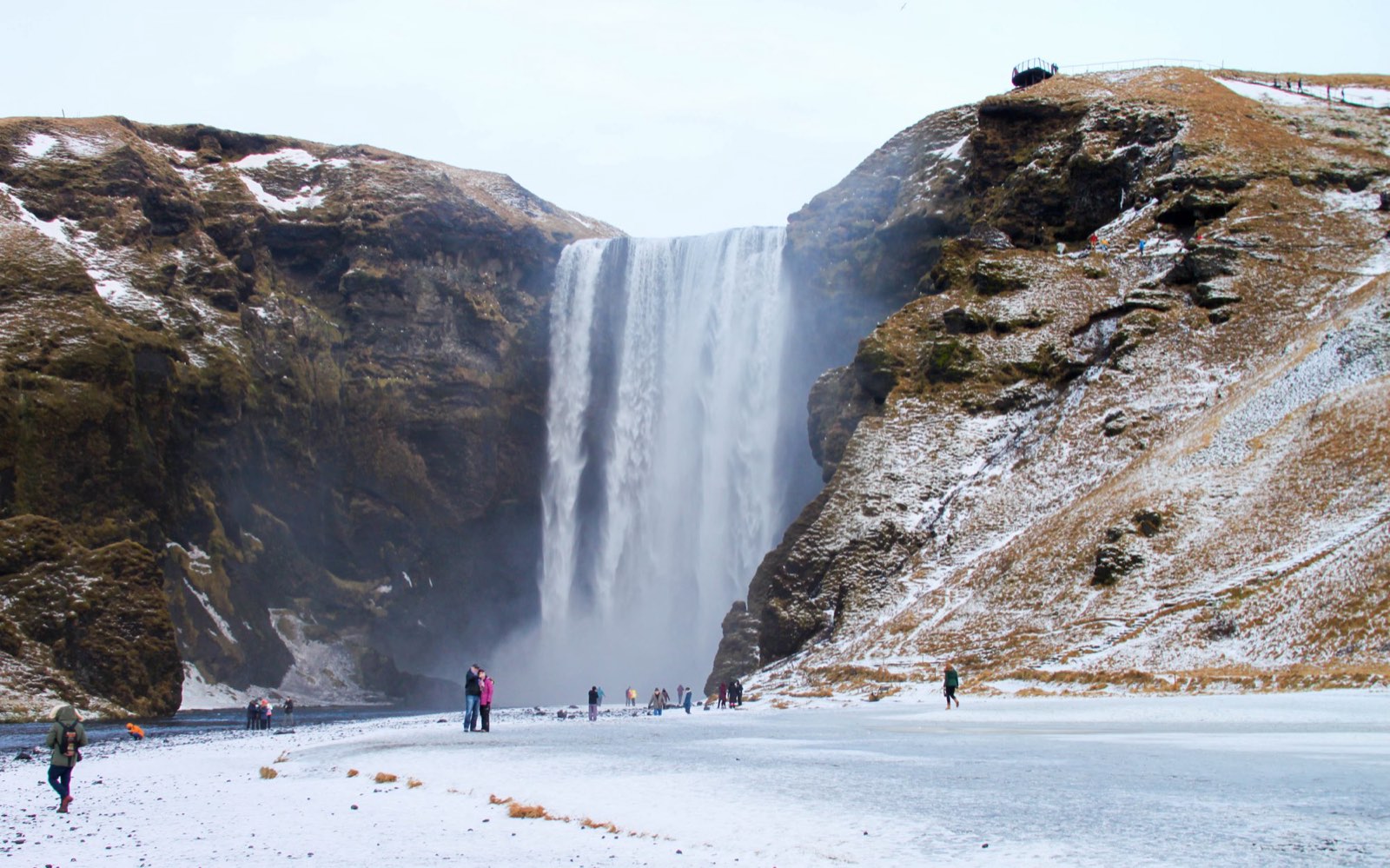
In February 48% of nights reached Kp 3 (1996–2026), and Reykjavík averages 0.7°C with 8h42 of daylight on the 15th: deep winter, with activity climbing toward its spring peak and daylight returning fast.
Key takeaways
- Staying 3 nights in the Reykjavík area gives a 55% chance of at least one proper display, or 48% on the conservative Keflavík figure.
- For an 80% chance of a proper display, plan on 7 nights in Reykjavík, or 10 using the Keflavík figure.
- February is mid-season for blue ice caves under Vatnajökull, with tours from Jökulsárlón at ISK 19,990–34,900.
- Pack waterproof winter kit and microspikes: Reykjavík averages 88.9 mm of rain and snow in February, and spikes are close to essential on paths.
Some links on this page go to booking partners. If you book through them we may earn a commission at no extra cost to you. It never changes what we recommend. How we make money
What's special about February
It's the month that gives you both halves of a winter trip.
- By day: enough daylight, from about 09:20 to 18:03 mid-month, for a full day on the south coast or the Golden Circle.
- By night: darkness from 20:43, long enough to watch for the aurora without staying up until 3am.
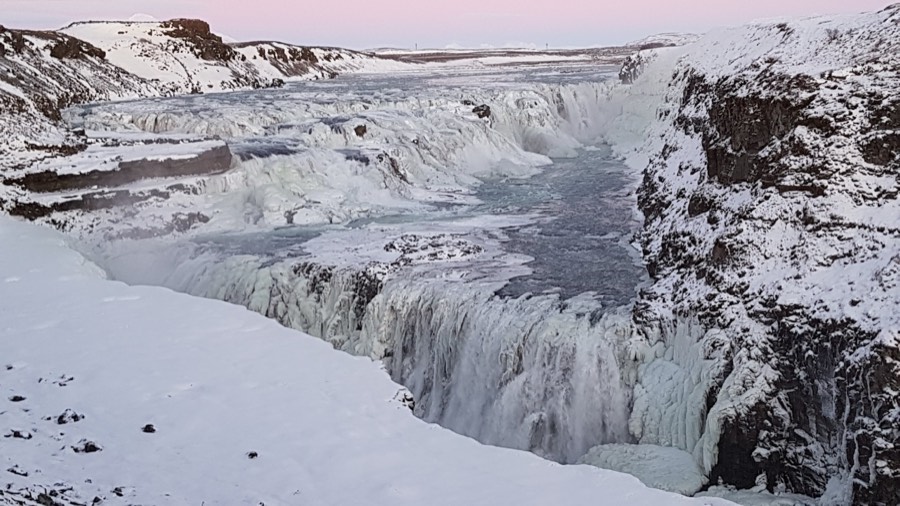
- Ice everywhere: Skógafoss's spray freezes and Gullfoss is rimmed with ice.
- Ice caves mid-season: under Vatnajökull, from October to April there's very little melting, if any.
February in numbers
In short On 15 February Reykjavík gets 9h54 of full darkness, 48% of nights reach Kp 3, it averages 0.7°C and the sky is 74% covered on average.
9h54Full darkness15 Feb, Reykjavík
48%Nights reaching Kp 3
0.7°CAverage temperature
74%Sky covered, on average
Reykjavík. Weather: 1996–2025 averages. Moon times in UTC (Iceland's local time).| What | Figure |
|---|
| Daylight (15 Feb) | 09:20 – 18:03 · 8h42 |
| Full darkness (15 Feb) | 20:43 – 06:37 · 9h54 |
| Nights reaching Kp 3 | 48% |
| Average temperature | 0.7°C |
| Rain and snow | 88.9 mm |
| Sky covered (average) | 74% |
| Sunshine | 62.5 hours |
| New moon | 6 Feb 2027, 15:55 |
| Full moon | 20 Feb 2027, 23:24 |
Aurora odds in February
In short In the Reykjavík area, 3 nights give a 55% chance of a proper display and 32% of a strong show, both slightly optimistic figures.
Measured from Reykjavík and Keflavík airport weather reports, 2012–2026, matched to the Kp record: the chance of at least one good night if you stay in the Reykjavík area. A proper display is Kp 2 or more plus a clear hour; a strong show is Kp 3 or more plus a clear hour. Keflavík is the conservative figure. Both are slightly optimistic, because the reports miss thin high cloud (how we work it out):
55%Proper display in 3 nights, ReykjavíkKeflavík: 48%
32%Strong show in 3 nights, ReykjavíkKeflavík: 31%
7Nights in Reykjavík for an 80% chance of a proper displayKeflavík: 10
February is among the cloudier months in Reykjavík, at 74% sky covered on average, but its measured odds are close to every other month's. Driving to clear sky should improve them; we haven't measured by how much.
Go early in the month
The new moon on 6 February 2027 makes the first half of the month the better bet for faint displays.
What to do in February
In short The main options are a blue ice cave from Jökulsárlón, humpback whale watching in Faxaflói or near Akureyri, and a snowmobile on Langjökull.
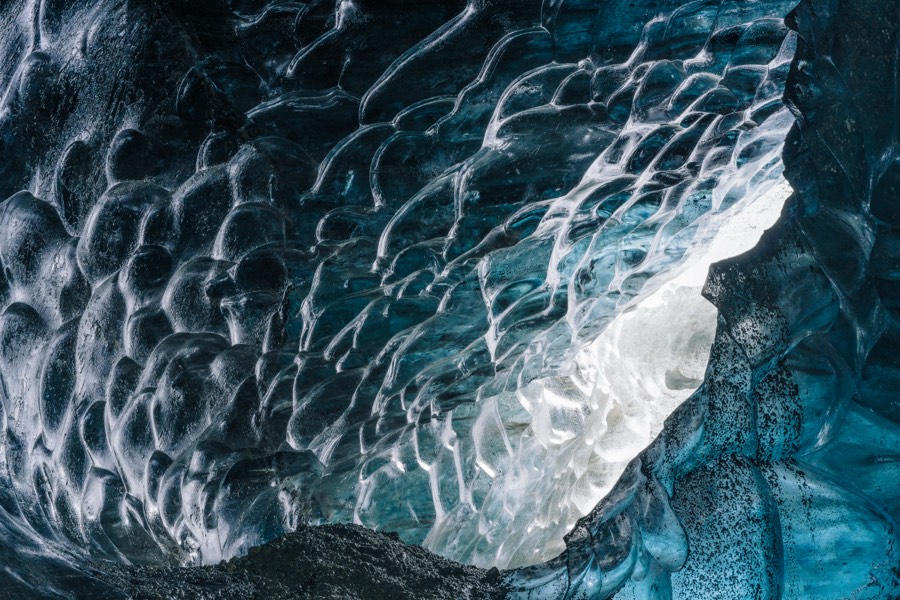
ISK 19,990–34,900 · From Jökulsárlón
Mid-winter is the core of the season: very little melting from October to April. Local Guide's small-group Ice Cave Discovery (max 8) runs in October–November and February–March.
Check dates on GetYourGuide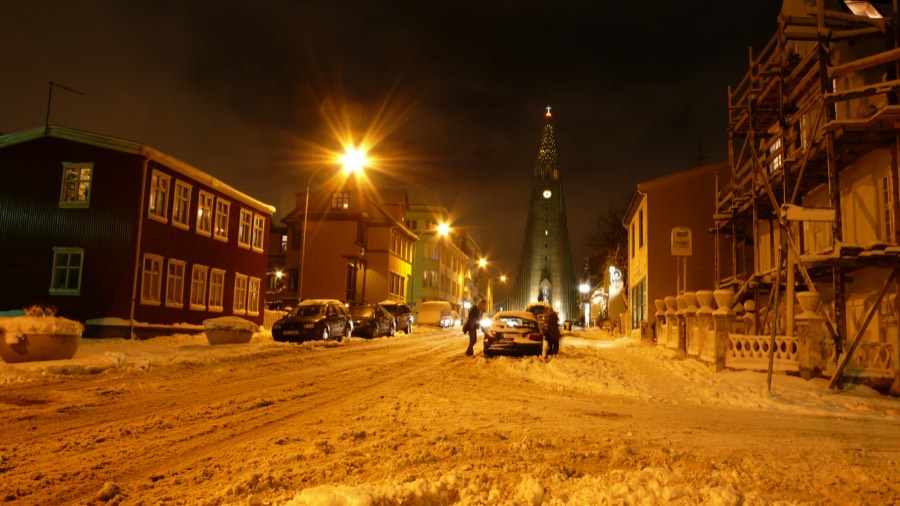
Humpbacks in Faxaflói
ISK 14,500 (Elding) · 09:00 & 13:00
Elding sails twice a day from January to March. It reported exceptional viewing in January, February, November and December 2024; humpbacks were seen on 77% of its tours that year.
Whale watching near Akureyri
From ISK 11,990 · From 1 Feb
North Sailing's Árskógssandur tours in Eyjafjörður restart on 1 February. Húsavík itself stays closed until March.
A snowmobile on Langjökull
From ISK 33,500 · ~1 h on the sled
Mountaineers of Iceland meet you at Gullfoss's upper car park. The fast single-rider Glacier Rush runs December to May.
What's open, what's closed
In short Blue Lagoon hours shorten to 08:00–20:00, Húsavík whale watching stays closed until March, and the walk behind Seljalandsfoss should be treated as closed.
- Blue Lagoon: hours shorten on 1 February, to 08:00–20:00.
- Orcas from Snæfellsnes: Láki Tours' season opened on 15 February in 2026; check the 2027 date with them.
- Húsavík whale watching: closed until March.
- The walk behind Seljalandsfoss: treat it as closed.
Winter driving rules apply
Mountain passes such as Hellisheiði, on the main road from Reykjavík to the south coast, can close in storms; the alternative is Þrengsli, Route 39.
What to pack
Full winter kit. Reykjavík averages 88.9 mm of rain and snow in February, so waterproof matters more than extra-thick.
- Thermal base layers
- An insulated jacket
- A waterproof and windproof shell
- Warm waterproof boots
- Hat, gloves and a spare pair
- Microspikes: close to essential on the paths
Iceland in February: common questions
Is February a good month for the northern lights in Iceland?
Yes. Activity is climbing toward its spring peak (48% of nights reached Kp 3 over 1996–2026) and there are nearly 10 hours of full darkness mid-month. Measured over 2012–2026, three nights in Reykjavík gave a 55% chance of a proper display (48% at Keflavík).
How cold is Iceland in February?
Reykjavík averages 0.7°C. It's the wind and wet that make it feel cold.
Are ice caves open in February?
Yes. The natural caves under Vatnajökull run through winter, from October or November to April, depending on the operator and conditions.
When is the new moon in February 2027?
By our calculation, 6 February 2027 at 15:55 UTC. The full moon is on 20 February.
Other months, and planning the trip
Sources (14)